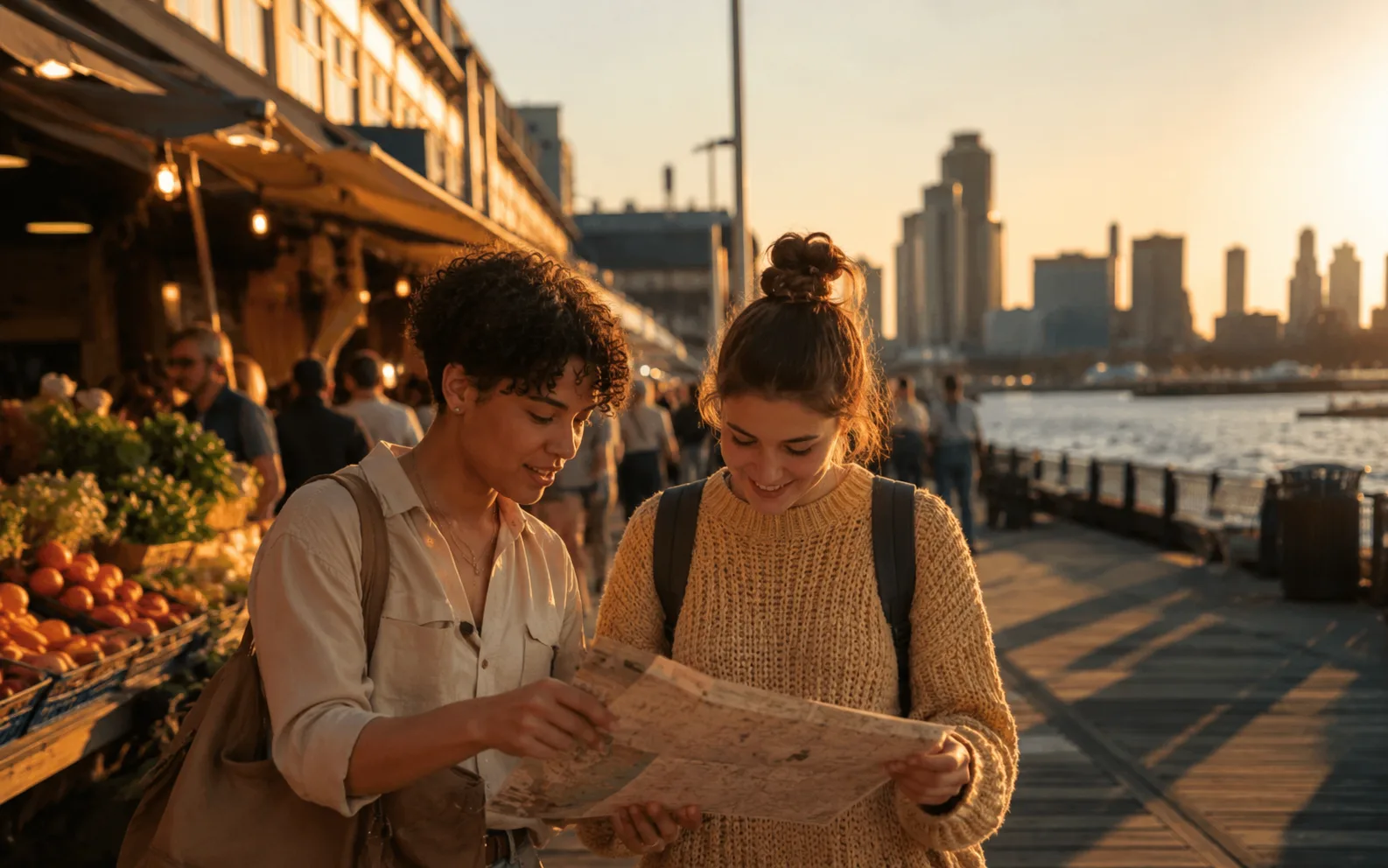
Budget city adventures begin when you stop treating price as the measure of value. A city can offer texture, movement, and surprise without expensive tickets. You only need a sharper way to search. Neighborhood walks, public events, scenic routes, open-air markets, and civic spaces can fill a full day beautifully. The goal is not deprivation. The goal is better attention. When you plan carefully, low-cost exploration feels intentional rather than limited. That shift changes how travelers and locals experience urban life.
Spontaneity sounds appealing until hunger, distance, and weather interrupt the day. A light structure prevents those problems. It helps you choose one area, identify free anchors, and avoid unnecessary transportation costs. Good structure also reduces impulse spending. You already know what comes next, so you do not buy convenience out of frustration. A low-cost city itinerary tool can make that process easier. It turns scattered ideas into a route you can actually follow.
A theme makes an inexpensive outing feel curated. Choose public art, architecture, river views, historic streets, local markets, parks, or independent bookstores. Then build around that theme for half a day. This approach gives the experience a narrative. It also prevents the common mistake of collecting random stops that do not connect. Travelers remember days with shape. Locals appreciate fresh angles on familiar places. A theme turns ordinary movement into a small urban expedition.
Money is not the only budget. Time and attention matter too. Choose routes that limit backtracking. Check whether a walk includes shade, bathrooms, or indoor pauses. Keep one shorter version ready if energy drops. This makes the outing feel generous instead of exhausting. It also helps groups stay relaxed. Children, older relatives, and first-time visitors often need more space between stops. Practical planning protects the mood, which matters more than squeezing in another landmark.
Culture does not always require a ticket window. Many cities support free museum nights, gallery openings, library talks, outdoor concerts, and campus events. These experiences can feel more local than heavily promoted attractions. Search municipal calendars first. Then look at neighborhood associations, cultural districts, and university pages. A free local experiences checklist helps compare timing, location, and effort. You spend less, but you often gain a more specific sense of place.
Food can quietly become the largest cost in a city day. Plan one intentional treat instead of several accidental purchases. Visit a market for snacks. Pack water. Choose a lunch spot near your route rather than chasing a famous restaurant across town. This keeps the day balanced. It also leaves room for a coffee, pastry, or street food discovery that feels chosen. A smart food plan supports the adventure instead of draining the budget before sunset.
AI can help when you ask for constraints that match real life. Request free activities within a twenty-minute walk. Ask for rainy-day ideas near a transit station. Compare quiet morning stops with lively evening options. Then verify hours, closures, and event details through official sources. A budget travel city planner approach works best when prompts include location, mood, mobility, and time. Better questions produce better outings.
Locals often assume they already know their city. That belief can make weekends smaller than they need to be. Try exploring your own area like a visitor with a strict budget. Choose one unfamiliar district. Walk a different route. Visit a public building you usually pass without noticing. Check event listings before noon. Small changes can break routine quickly. They also make city life feel more generous, especially when entertainment prices keep rising.
When low-cost exploration becomes a habit, travel changes. You stop chasing every paid recommendation. You notice civic design, public gathering places, and neighborhood personality. Your spending becomes more deliberate. Your days feel less crowded. This habit also helps you travel more often because each trip costs less to enjoy. The reward is practical and emotional. You save money, but you also build a deeper relationship with the places you visit.


Leave a comment