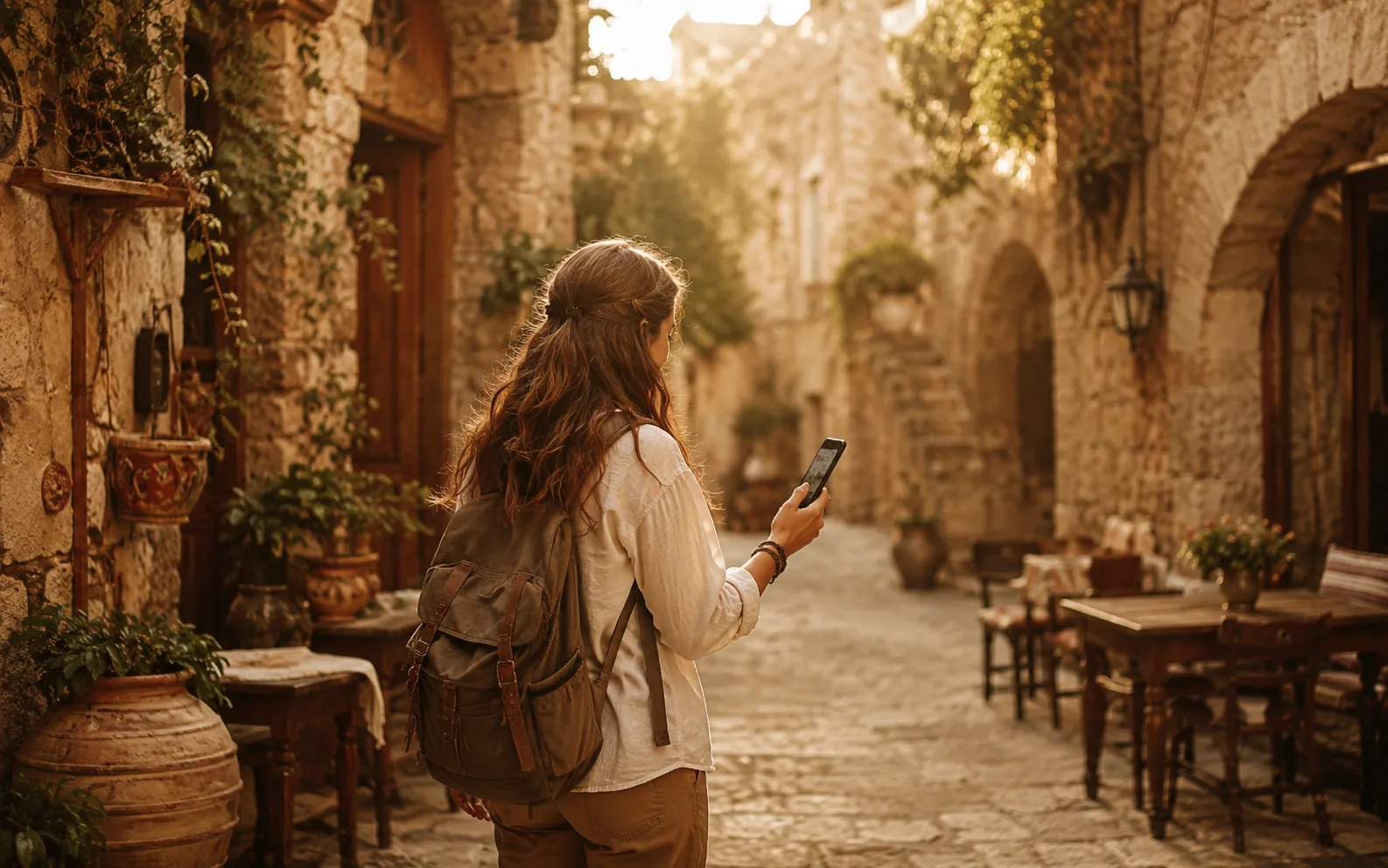
An AI trip planner for hidden gems can help travelers find places that feel specific, memorable, and personal. The secret is not asking for mystery. It is asking for relevance. A hidden gem for one traveler may bore another. Your interests, pace, budget, and neighborhood preferences shape what deserves attention. AI can sort those signals quickly when prompted well. It can suggest quieter museums, independent shops, local walks, unusual viewpoints, and cultural corners that standard lists often overlook.
Hidden gems depend on context. Without it, AI may simply rename familiar attractions. Share what you already know and what you want to avoid. Mention interests such as design, music, food, history, nature, books, sports, or architecture. Add your travel pace and comfort level. A travel planning AI prompts guide helps turn those details into useful discovery questions. Strong context separates personal finds from generic filler.
Tourist centers can be wonderful, but they rarely hold every interesting experience. Ask AI to compare neighborhoods beyond the main sights. Request areas with local cafes, small galleries, markets, parks, or independent venues. Include safety and transit considerations. Then verify current conditions. This method expands your map without pushing you into inconvenience. A good hidden-gem plan balances originality with practicality. The goal is discovery, not difficulty for its own sake.
Ask for recommendations tied to personal themes. A traveler who loves textiles can request workshops, shops, and museum sections. Someone interested in urban planning can ask for public spaces and transit history. Food-focused travelers can request markets and neighborhood specialties. A unique itinerary generator works best when the theme is vivid. Originality usually appears when the prompt moves beyond broad categories.
Unusual places can lose their charm when the schedule becomes unrealistic. Ask AI to cluster hidden gems by area. Request walking times, transit notes, and nearby rest stops. Limit each half-day to a few meaningful choices. Include food and weather backups. This keeps the day comfortable. It also gives each place enough attention. Hidden gems deserve time to register. Rushing through them defeats the reason you searched for them.
Verification matters more for lesser-known places because details may be sparse or outdated. Check official pages, recent reviews, maps, social media updates, and local event listings. Confirm opening hours and reservation rules. Look for seasonal closures. Review neighborhood transportation before evening visits. This does not remove spontaneity. It protects it. A verified plan lets you explore with confidence instead of uncertainty.
Solo travelers may want safe, atmospheric places with flexible timing. Couples might prefer quiet walks, intimate restaurants, and scenic corners. Families need easy logistics, bathrooms, and backup plans. Creative travelers may want studios, small venues, and local craft districts. A custom destination inspiration tool should adapt to those differences. Personal fit matters more than universal praise.
Hidden gems are often part of real neighborhoods. Visit respectfully. Avoid treating residential areas like performance spaces. Support local businesses when appropriate. Follow photography rules. Keep noise low. Learn a little context before arriving. Good travel curiosity should not extract atmosphere without consideration. The best discoveries feel mutual. You gain a richer experience, and the place receives attention that respects its daily life.
Let AI create a shortlist, not a prison. Choose a few strong ideas and leave open space around them. Save extra suggestions for weather or energy changes. Ask which option best fits the day’s mood before leaving. Then stay alert once you arrive. A hidden gem may lead to another place nearby. Planning opens the door, but attention carries the experience forward.




Leave a comment