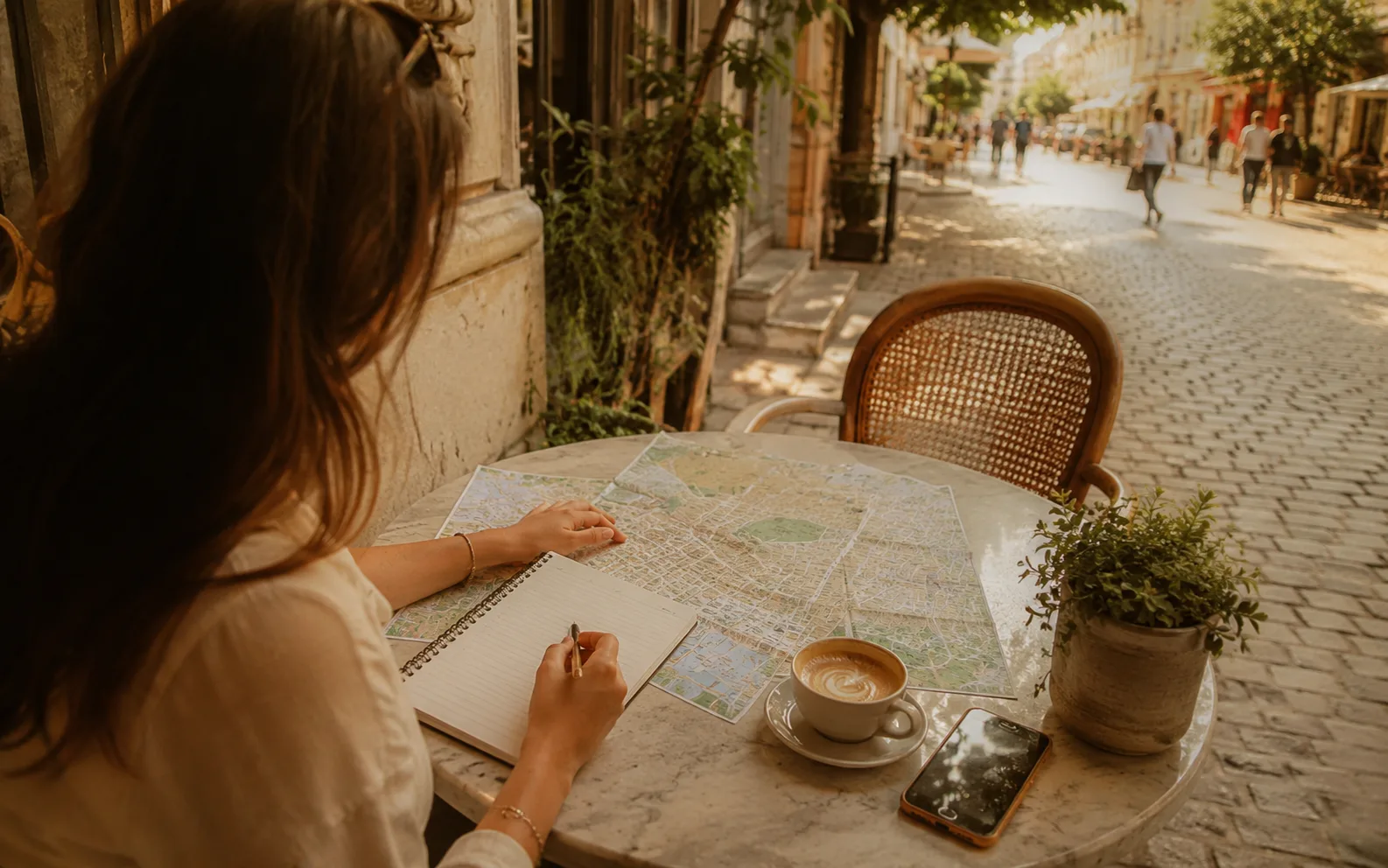
A free city activities checklist gives every urban day a stronger starting point. Without one, travelers waste time scrolling, guessing, and walking in circles. Locals face the same problem when familiar routines hide better options nearby. A checklist makes the search faster and calmer. It helps you compare parks, events, public art, markets, viewpoints, libraries, and walking routes. You still keep room for surprise. The difference is simple. Your adventure begins with direction instead of decision fatigue.
Saving money matters, but saving energy matters too. A clear checklist helps you avoid scattered research and last-minute compromises. It also reveals options you might overlook, especially in neighborhoods outside tourist centers. You can plan around weather, mobility, transit, and group preferences. That makes the day smoother for everyone. A walkable city discovery plan works because it turns free choices into a practical sequence. The result feels thoughtful, not cheap.
First-time visitors need orientation before novelty. Start with a central square, waterfront, viewpoint, or main park. Add one historic street and one public market. Look for free museum hours or civic buildings with notable architecture. Keep the first route compact. New cities already demand attention. A shorter plan helps you notice more. It also prevents the exhaustion that comes from chasing every recommendation. Good first-day exploration should build confidence, not drain it.
Public events can make a city feel alive quickly. Search city calendars, library schedules, university pages, arts districts, and neighborhood associations. Many free events receive modest promotion, which makes them easier to miss. Check dates carefully. Confirm whether registration is required. Look for outdoor concerts, talks, screenings, markets, walking tours, and seasonal festivals. A public events travel checklist helps organize those findings before they vanish into browser tabs.
Rain does not need to cancel a city day. It only changes the search. Look for covered markets, libraries, transit-accessible galleries, public atriums, historic train stations, and indoor cultural centers. Keep walking distances shorter. Choose neighborhoods with several indoor options close together. Pack a small umbrella, but do not build the entire day around endurance. A rainy plan should feel cozy and flexible. The right checklist helps you shift quickly without surrendering the afternoon.
Maps reveal whether an idea works in real life. Pin every possible stop before choosing the final route. Remove anything that creates awkward backtracking. Look for clusters instead. Clusters protect time and reduce transit spending. They also make spontaneous detours easier because nearby options remain visible. A good route includes anchors, pauses, and optional extras. That balance gives the day structure without removing freedom. The map becomes a quiet assistant rather than a strict schedule.
AI can speed up checklist creation when your prompt includes useful limits. Mention the neighborhood, day of week, budget, walking tolerance, weather, and preferred mood. Ask for free activities with official verification steps. Request indoor backups and low-cost food nearby. Then review the suggestions carefully. A city sightseeing on a budget method becomes stronger when technology handles sorting while you handle judgment.
Locals benefit from checklists because routine narrows attention. Choose a different district each week. Search for free events before making plans. Add one public space you rarely visit. Revisit a familiar route at a different time of day. Invite a friend who notices different details. These small habits make the city feel larger. They also reduce reliance on expensive entertainment. Exploration becomes a repeatable practice rather than a rare vacation behavior.
The best memories often come from small, specific moments. A street musician under an arch. A quiet reading room. A sunset from a public bridge. A neighborhood festival you almost missed. A checklist does not manufacture those moments, but it creates conditions for them. It gets you outside, nearby, and attentive. Once that happens, the city can surprise you. Good planning simply makes surprise more likely.



Leave a comment