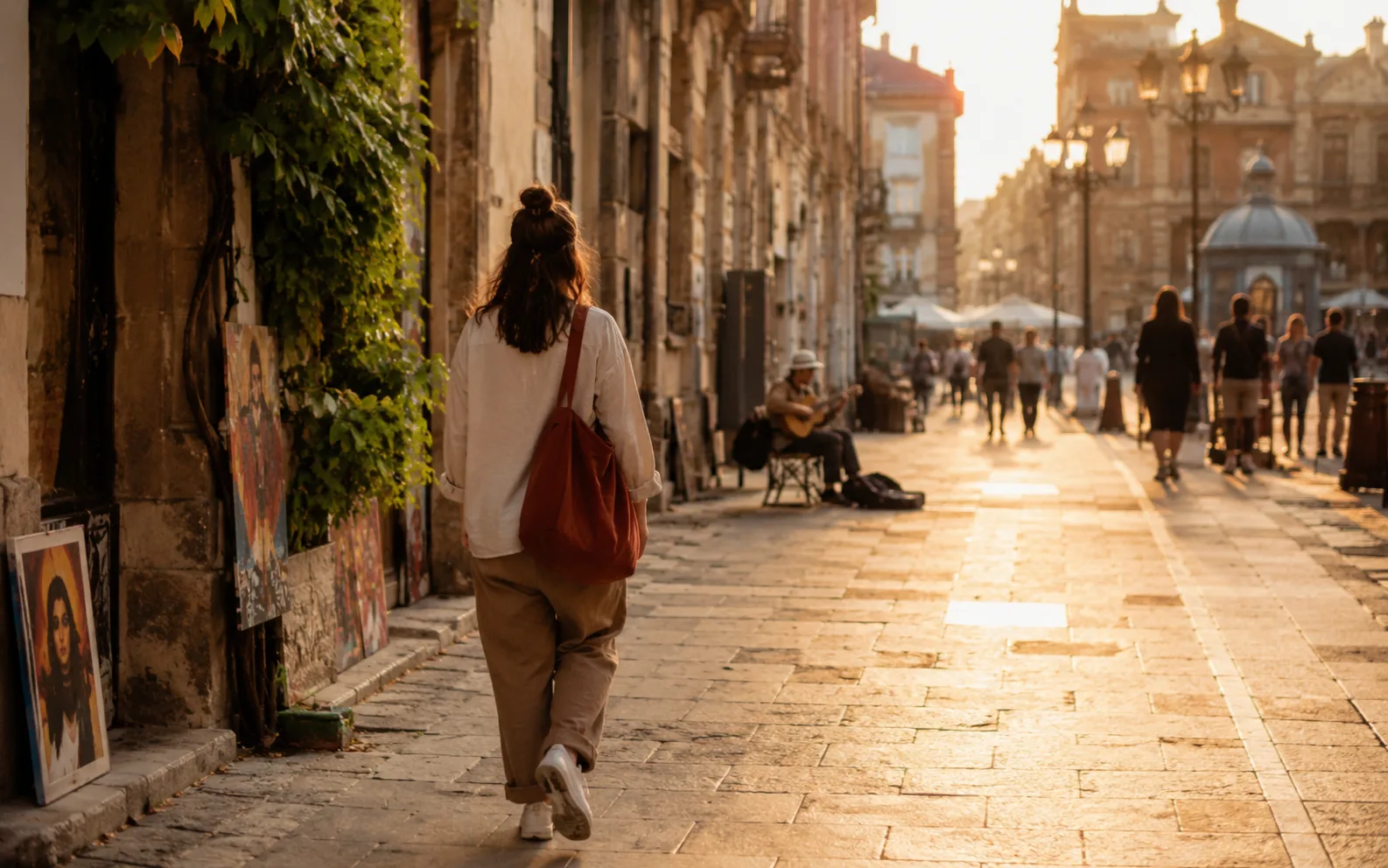
Free things to do in a city can turn an ordinary afternoon into a richer travel story. You do not need premium tours to notice a place closely. Streets, libraries, parks, markets, public art, and waterfronts often reveal the strongest local character. Smart travelers look for patterns before spending money. They study neighborhood calendars. They ask better questions. They leave room for accidental discoveries. A practical checklist helps those choices feel organized rather than random. With the right system, free exploration becomes intentional, flexible, and surprisingly rewarding.
Many visitors treat free experiences as filler between paid attractions. That approach misses the point. Free options often carry the most local texture. A morning market shows daily habits. A civic plaza reveals how people gather. A mural walk introduces neighborhood memory. Planning these experiences keeps them from disappearing behind restaurant bills and ticket prices. A budget-friendly urban exploration guide gives structure without making the day stiff. You still wander, but you wander with purpose.
Paid itineraries can push people through a destination too quickly. Free exploration rewards patience instead. You notice benches, side streets, buskers, gardens, and small community rituals. Those details rarely appear on glossy attraction lists. They still shape how a city feels. A slower route also reduces decision fatigue. You can pause when something catches your attention. You can leave when the mood changes. This rhythm works especially well for families, solo travelers, digital nomads, and locals who want fresh weekend ideas.
Start with one district instead of crossing the entire city. That simple choice saves money, time, and energy. Choose a neighborhood with parks, public buildings, markets, or cultural corridors nearby. Then group stops by walking distance. Add one flexible backup for weather or crowds. A free city fun finder checklist helps compare options before the day begins. It also keeps research from becoming endless. The best route feels planned enough to support you and loose enough to breathe.
Community calendars can uncover concerts, lectures, open studios, outdoor films, and heritage events. Libraries often host talks and exhibitions. Universities may offer public performances. Galleries sometimes open new shows without admission. City halls and tourism boards publish seasonal schedules. These sources look ordinary, yet they can point toward excellent experiences. Check them early. Then check again the day before you go. Free events change often. A little timing awareness can turn a quiet evening into a memorable cultural stop.
Public spaces make strong anchors because they cost nothing and support flexible pacing. Parks offer shade and people-watching. Waterfronts give wide views. Historic squares explain how a city presents itself. Trails connect neighborhoods without transit fees. When you build around these places, meals and paid extras become optional additions. You can bring snacks, refill water, and rest without pressure. This approach also helps locals rediscover familiar streets. A city can feel new when you follow its public spaces instead of its checkout counters.
AI can speed up research when you give it specific questions. Ask for free indoor options near a district. Request outdoor ideas for rainy mornings with covered areas. Compare public art walks, markets, and scenic viewpoints within one transit zone. Then verify details on official websites. The AI city activity planner mindset works best when technology supports human curiosity. It should narrow choices, not replace judgment. Your final plan still depends on energy, safety, weather, and personal taste.
This checklist keeps the day grounded. It also protects the fun from overplanning. Free exploration works when you reduce friction before leaving. Decide where to start. Know where to rest. Keep one backup nearby. Bring a bottle, a charger, and comfortable shoes. Then let the city do some of the work. The best free days often come from prepared openness rather than rigid scheduling.
Repeatable systems matter because every city has different rhythms. Once you learn how to search, you can reuse the process anywhere. Look for public art, civic buildings, neighborhood festivals, markets, trails, viewpoints, and cultural calendars. Save what worked. Drop what felt forced. Over time, you build a personal exploration method. It makes travel cheaper and more interesting. It also makes local weekends feel less routine. Free discovery becomes a skill, and every block offers another chance to practice it.


Leave a comment